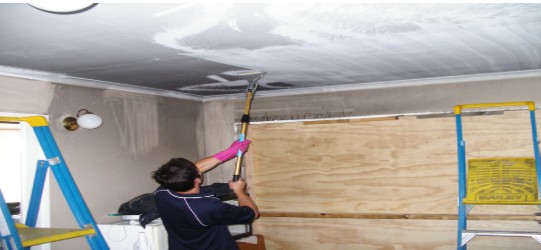
After a fire, homes need fire restoration services because smoke slips everywhere – into walls, ceilings, even couches. It moves quickly. That sharp, burnt smell sticks around way past the last spark. People call experts so things like peeling paint or breathing trouble don’t get worse. Crews wipe down rooms, haul out wreckage, then make spaces livable again. Damage fades faster when someone trained steps in early.
What makes smoke smell stick around for ages?
Deep inside walls, tiny bits of soot settle where eyes can’t see. Because heat spreads, surfaces breathe in fumes like lungs drawing air. Wood holds grime longer than stone would. Cleaning wipes away only what’s visible on top. Hidden layers stay unchanged without targeted methods dissolving smoky traces at a molecular level.
What happens during the first inspection?
Safety checks begin with how sturdy the building feels. Where smoke left thick layers of grime, problems often hide underneath. Wires get examined just as closely as soaked walls after hoses were used. Looking at every piece early on shapes what comes next. Fire damage slows down when someone spots it right away.
How does smoke affect indoor air quality?
Inside, smoke makes the air harder to breathe while bothering both lungs and eyes. From room to room, soot travels using airflow paths before landing on surfaces. Research tracking home environments links trapped smoke to more coughing and chest tightness. Cleaning crews rely on powerful filter units plus specialised vacuums to pull toxins out of the air people inhale.
Smells After Fire Come From Burned Materials Releasing Gases?
Smoke leaves behind sticky chemicals when things burn. Instead of fading fast, plastic and rubber stink more than timber ever does. Fire crews douse flames with water – this soaks into floors and walls too. Once wet, those areas hold onto soot and reek worse over time. Dry everything quickly because stillness breeds mildew along with deeper stains.
What odour removal techniques work best?
Fog machines heat special liquids until they vanish into the air. That mist slips behind walls where smells hide. Lightning in a box zaps the stink apart, changing its makeup entirely. Sunlight makes indoor cleaning without making people leave. Every way works on certain messes, depending on what caught the smell.
Can regular cleaning products remove the smell?
Cleaners wipe away grime on surfaces yet leave strong smells behind. Rubbing too hard pushes gunk around, sometimes leaving marks on paint. A splash of vinegar might help a little, though stubborn stink needs more than home fixes. Machines used by pros pull out every trace of smell. What sticks after washing fades when specialists step in.
How long does restoration usually take?
Restoration often takes weeks. Sometimes it stretches into months. Depends on the damage level. Each case moves at its own pace.
Depending on how big the fire was and what state the building is in, the time needed changes. A few days might be enough when harm is small. When beams or walls are damaged badly, work stretches into weeks. Getting help quickly means less waiting overall. It also keeps new problems from starting. Stains that stick around can be avoided if steps are taken early.
Does restoration include structural repairs?
Faulty walls, insulation, and corners get fixed by crews. Wires that failed are swapped out while fresh coats go on scrubbed areas. With frames made solid again, living becomes safe and smooth. When rebuilt right, problems later shrink – the worth of the building climbs without show.
How can homeowners prevent lingering odours?
Fresh air waits for nobody – step fast once trouble hits. Skip turning on cooling systems before experts check the pathways inside the walls. Swap out furnace screens without delay. Items soaked in stink? Get them out now. Clean thoroughly, then seal surfaces tightly so smells cannot sneak back later.
Professional fire restoration services support recovering homes after damage. Smoke moves in ways only trained eyes catch. Equipment gets used not just because it exists, but because it works. Safety rules aren’t optional here – they shape every move. What burns leaves traces; cleaning means going beyond smell alone. Property stays safer when people know how materials respond under stress.
Start safeguarding your space now through Capital Facility Services.